
Adoddle has enterprise search built-in; enabling organizations to turn “big data” - petabytes of...
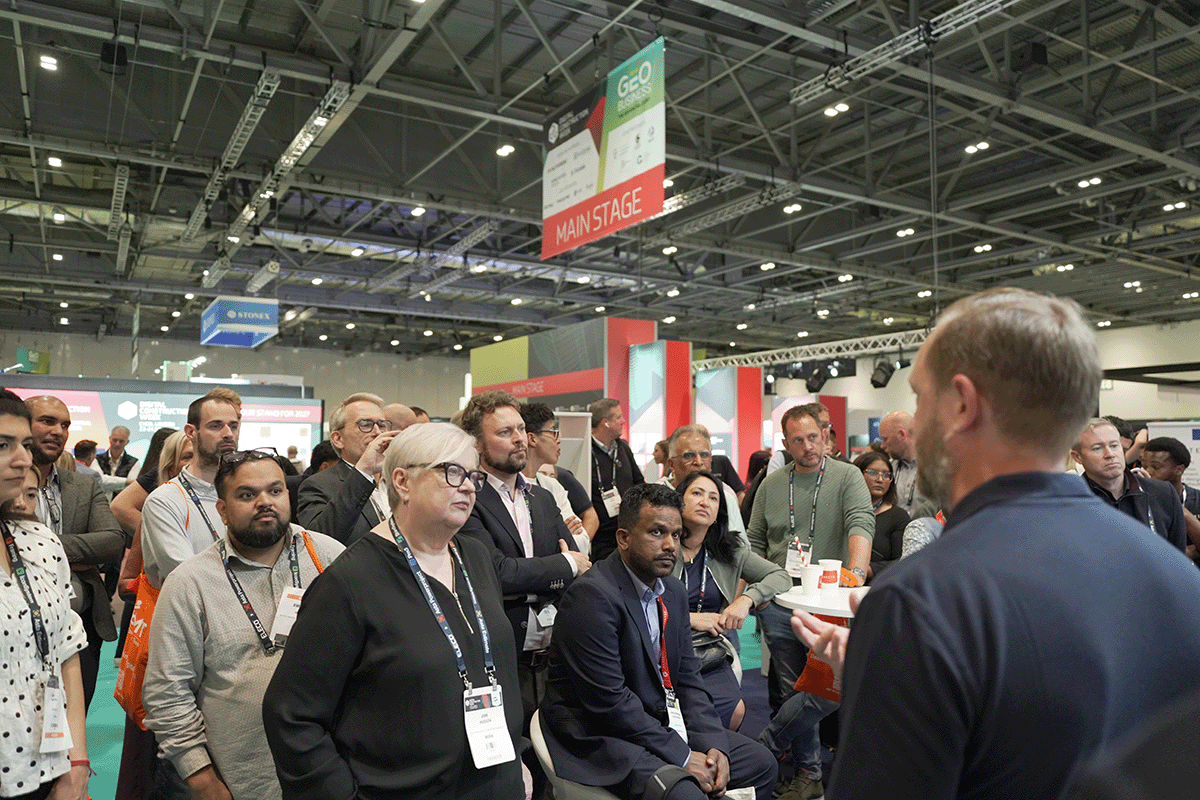
The conversation around digital construction is changing. For the past decade, the industry has focused on capturing more information, deploying more technology, and digitizing more processes.
Today, the question is not how to collect data, it's how to turn that data into better decisions. Digital Construction Week 2026 reflected that shift. Whether discussing information management, estate transformation, or the future of AI, a consistent theme emerged: organizations don't need more data. Construction teams require connected systems, trusted information, and the ability to extract meaningful intelligence from what they already have.
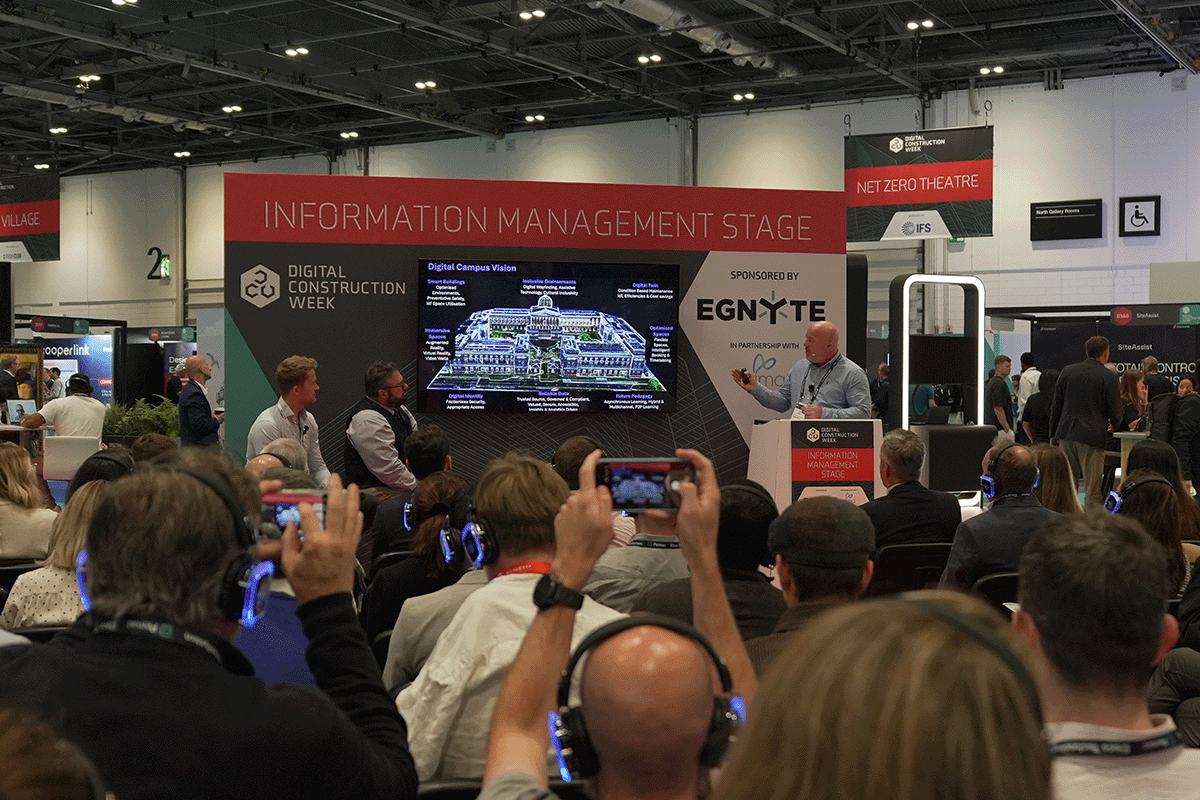
Explore highlights from Asite’s on-stage conversations across the two days with AtkinsRéalis, Skanska, and University College London (UCL).
Digital Overload: Are we solving problems or creating them?
The construction industry is experiencing a growing challenge of technology overload, where increasing numbers of digital tools are often creating complexity rather than improving information management. Panellists, Liza Langford, Lead Information Controller at Skanska, Dr Martin Geach, Technical Director at AtkinsRéalis, agreed that many organizations are investing in overlapping platforms without first defining clear business requirements, resulting in fragmented data, lower adoption, and reduced return on investment.
"You need to ask a business: What's your functional requirement? What do you need? And have subject matter experts for each discipline and get them together. [..] Have that all scoped out first. Then, if you're going to look at different software, compare them, and decide based on the needs of the business."
— Liza Langford, Lead Information Controller, Skanska
"I really encourage teams to start with understanding their enterprise. Go to the Chief Information Officer and say 'I want to oblige to your enterprise, and I want to understand how my service can contribute to your mission and vision'."
— Dr Martin Geach, Technical Director, AtkinsRéalis
The discussion concluded that the solution is not fewer technologies, but better technology governance. By aligning software decisions to business needs, strengthening interoperability, engaging enterprise leadership, and working closely with responsive technology partners, organizations can maximize the value of existing investments while creating a stronger foundation for AI-driven innovation.
"The systems are only as good as the people who are using them. You can have loads of brilliant technology, but it's probably not used to it's maximum at all, and it's probably not integrated with your core technology in the right way. That's not a technology problem. That's a process problem."
— Josh Myers, Director, Major Accounts, Asite
Key takeaways:
-
Teams should start with outcomes, not technology. What are you trying to see, understand, or surface?
-
Before investing in another platform, look inwards: Can your existing tech deliver the data you are looking for?
- If you need something new, how will a new solution fit into your wider ecosystem?
The objective is to build a connected technology landscape that supports the entire information lifecycle, rather than solving one team's challenge in isolation.
The future of Estate Management: Lessons from University College London
At DCW, the UCL Estates Team presented the case study of a transformation program across their estate management. This includes 250 buildings, a £600 million maintenance backlog, and legacy data spread across more than 90 disconnected applications.
UCL’s approach is led by the future-focused statement, “How do we move from fragmented project information toward a connected operational estate with trusted data?”
Working with information management specialists, UCL mapped what each stakeholder group needed to know, from senior leadership to facilities management. Only once those requirements were established did the question of which platform to deploy become answerable. To support this, Asite was selected as UCL’s Common Data Environment (CDE).
"Buildings do not become smarter when you install technology. They become smarter when organizations trust and use the information behind them."
— Joe Jones, Head of Data and Digital Estates, UCL
Today, UCL's CDE is being configured around these requirements: tailored naming conventions, workflows, access controls, and dashboards. Meanwhile, a structured data migration is underway, centralizing all information into Asite as the single source of truth.
During the session, Jones was equally open about the non-technical dimensions of their information management challenge: change fatigue, stakeholder engagement, and the reality that embedding a data-first culture is a sustained effort, not a single implementation event.
The key takeaway: Digital transformation is about people, process, and operational confidence, not just technology deployment.
The next step: intelligence, not just information
Both sessions pointed towards the same horizon. The industry has spent the last decade asking how to collect and store information. The question now is how to get useful intelligence back out of it.
That is the direction Asite is moving with Asite Virtual Coworkers™, AI agents embedded within the platform that help users interact with project data. Rather than searching through documents or interrogating dashboards, teams can ask questions and get answers drawn from structured, governed, trusted information.
The session on digital overload made an important point about AI that is worth stating plainly: AI is only as good as the information it can access. Deploy it across a fragmented, siloed tech stack, and you get access to an incomplete picture. Deploy it across an integrated, well-governed ecosystem, and you begin to unlock something genuinely valuable.
Interoperability is not a nice-to-have in an AI-powered future. It is the prerequisite.